Coordinator key contributor to groundbreaking COVID-19 communications project
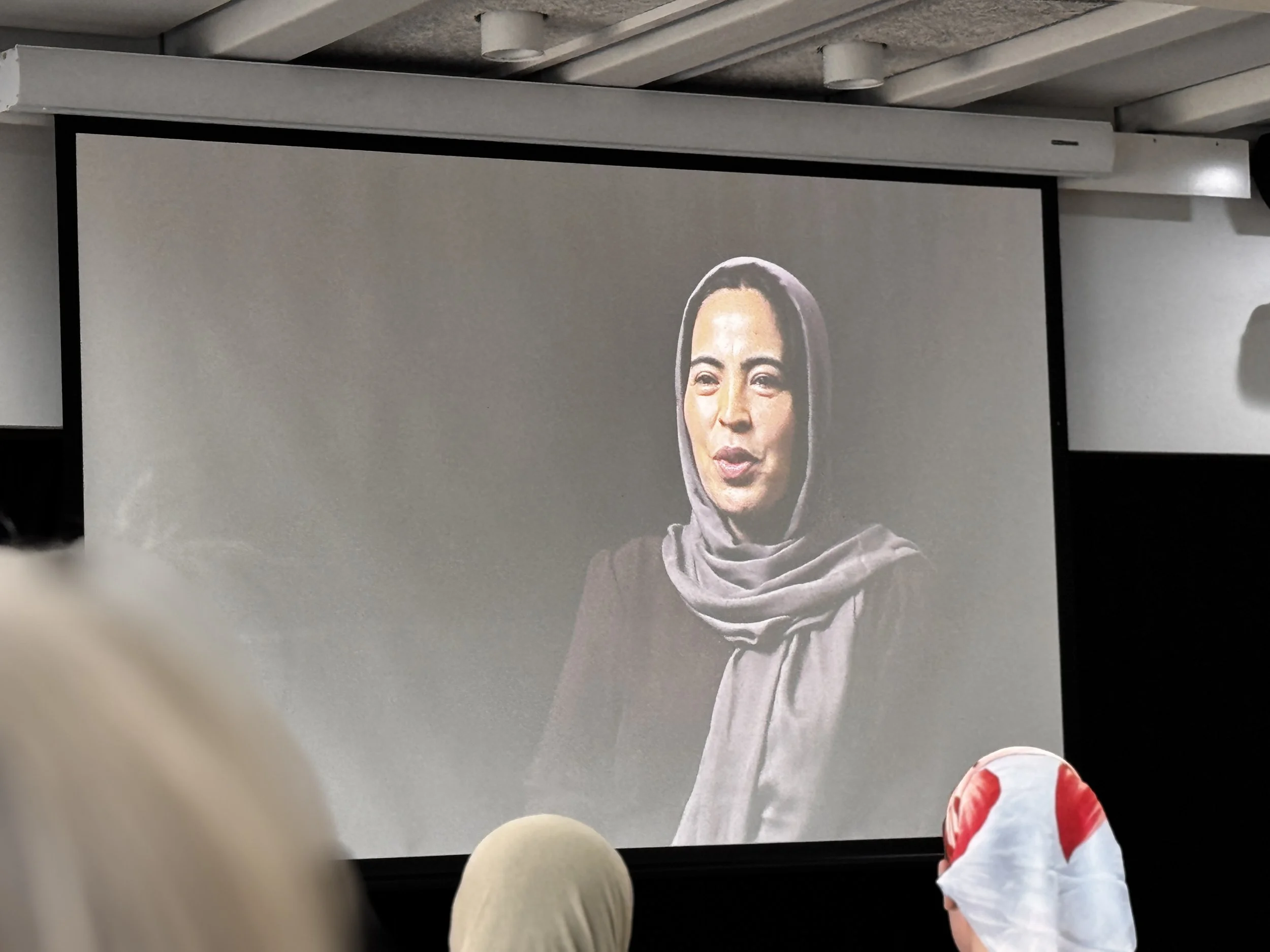
Wahida explains some of what she heard during the interview phase of the Challenges and champions: Multilingual communities’ communication during COVID-19 project.
People in many linguistic communities in Christchurch came to rely upon informal support for important information - or missed key messaging entirely - during the COVID-19 pandemic, new research to which ŌCHT’s settling in coordinator was a key contributor has found.
Wahida Zahedi was part of an interdisciplinary team of university and community researchers, interviewers and advocates who just released a 15-minute video summary of their work ahead of sharing their potentially far-reaching findings with as many decision makers as they can.
They conducted 85 interviews in 14 languages. Farsi-speaking Wahida, an experienced interpreter in social and health service settings, was among those asking where people found out information, who they talked to during that time, and what action they took.
The team found many were reassured by the televised daily standups in which the Prime Minister and Director General of Health delivered vital COVID updates. However, what came from the standups was not always easily understood without language assistance.
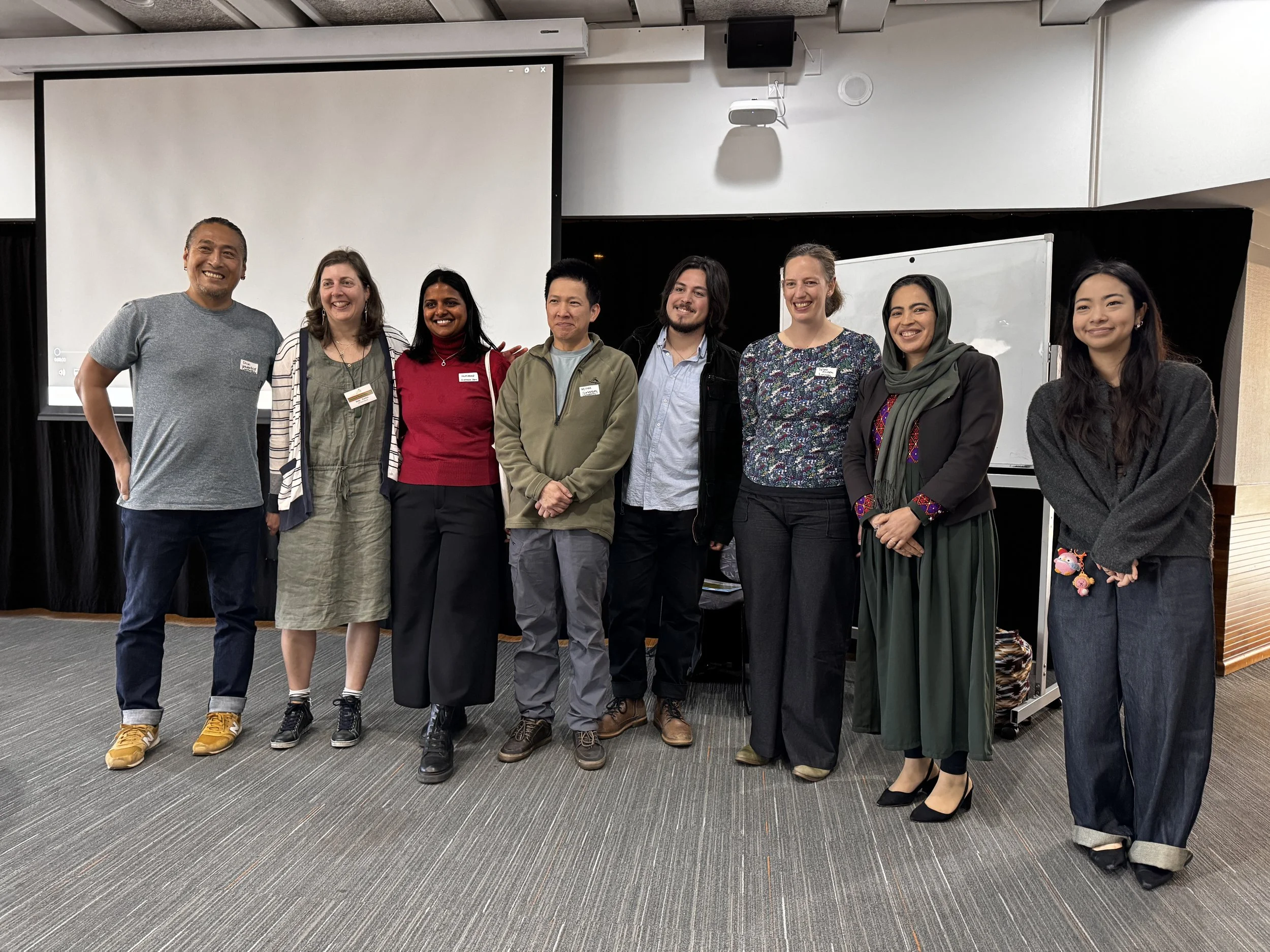
The interdisciplinary research team found community support and informal communication during the COVID-19 pandemic filled gaps in the government response and helped people in very tangible ways.
That assistance proved inconsistent. The flow and variety of translated information from official sources was limited, often arrived with some delay, and sometimes with translation mistakes that undermined the sense all our communities were part of our team of five million.
Instead, the best and most consistent assistance came from within language communities, which came together to translate official advice to ensure people in their networks had the information and assurance they needed to navigate the sometimes complex pandemic response.
The researchers noted many of the challenges and solutions seen across language communities were found in another, much more longstanding one: Māori - one of New Zealand's two official languages.
Improving things would take routinely making more translations available, using more channels to disseminate them, and working closely - or co-creating - with communities who understand both language and culture to ensure the messages hit exactly as they need to.
The researchers explain: "Community support and informal communication during the COVID-19 pandemic filled gaps in the government response and helped people in very tangible ways.
"Timely and accurate information was important, but, on an emotional level, it made people feel ‘seen’ and cared for, which was really important for people’s mental wellbeing."
The researchers concluded: "It is a human right to be able to access information and use your own language – and access to information can be especially during disasters and crises.
"The findings of our research suggest that a more inclusive and culturally responsive approach to multilingual communication is needed.
“We need to make sure all people have equitable access to critical information during crises – and this inclusion will become ever-more important as both multiculturalism and crises continue to increase in Aotearoa New Zealand and elsewhere.”
Challenges and champions: Multilingual communities’ communication during COVID-19 will be released by December in English, Amharic, Arabic, Dari/Farsi, Korean, Mandarin, Portuguese, Sinhala, Spanish, Tagalog, Urdu, and Vietnamese