

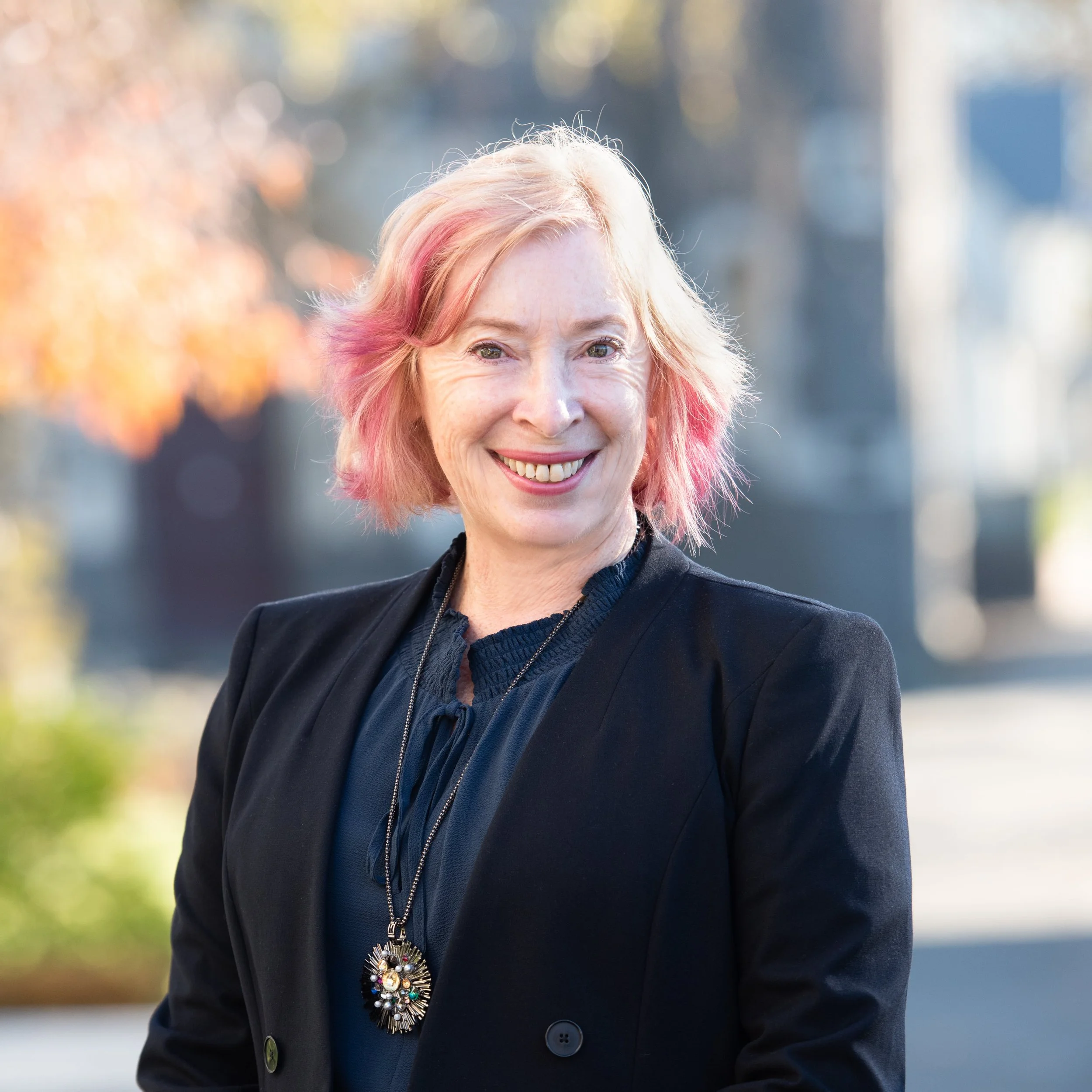
ŌCHT chief executive Cate Kearney explains how a simple change will unlock the potential of a Christchurch success story to benefit all its communities.
For those of us fortunate enough to have an affordable place to call home, it can be easy to overlook the quiet crisis unfolding in communities across the South Island.
The simple truth is, the lack of secure and affordable housing is a growing challenge, affecting not just individuals and families, but the fabric of our towns and cities.
It’s about more than bricks and mortar; it’s about the foundations that allow people to build stable lives, access education and healthcare, and contribute to their communities.
Here in Christchurch, ŌCHT has been working hard since 2016 to be part of the solution.
Established by our City Council, we’ve grown into the largest non-government provider of community and affordable housing in the South Island.
We house thousands of people, we build quality homes, and we’re proud to reinvest in our city. But we also see the echoes of Christchurch’s housing challenges in other regions, often amplified by smaller scales and fewer resources.
We’ve heard the calls. Local councils, community groups, even central government agencies have reached out, asking if we can take our proven model to their communities.
They see the positive impact ŌCHT has made in Christchurch and believe we can offer a lifeline to those struggling with housing insecurity elsewhere.
That’s why we’ve taken the significant step of asking Parliament to support the ŌCHT (Trust Variation) Bill. This isn’t about a simple administrative change; it’s about unlocking our potential to serve the wider South Island.
Our current Trust Deed, the foundational document that guides our work, understandably focused on the needs of Christchurch and Banks Peninsula. However, it legally restricts us from operating beyond those boundaries.
Think of it as having a skilled team and the right tools but being confined to one building when the whole neighbourhood needs help. This Bill is the key to opening those doors. It’s a straightforward piece of legislation that will allow ŌCHT to extend its services to other areas where the need for affordable housing is critical.
It’s natural to wonder whether this means diluting our focus on Christchurch. Absolutely not. Our roots are firmly planted here, and our commitment to the people of Christchurch remains unwavering.
In fact, a stronger, more efficient ŌCHT operating on a bigger scale, will ultimately be better positioned to serve our home city. By achieving economies of scale, we can deliver services more cost-effectively, freeing up resources that can be reinvested right here in Christchurch, improving existing homes and potentially building more.
It’s a win-win. We get to share our expertise and passion for creating thriving communities with regions that desperately need it and in doing so, we build a more resilient and sustainable ŌCHT that can continue to deliver for our communities for generations to come.
Our record in Christchurch speaks for itself. We manage thousands of homes, we’ve returned significant funds to the City Council, and we’ve invested millions in upgrading and building new properties. This isn’t a speculative venture; it’s about taking a proven success story and adapting it to meet the unique needs of other South Island communities.
This Bill has the support of key stakeholders who understand the urgency of the housing crisis and the value ŌCHT can bring. Local councils, regional development agencies, and the Greater Christchurch Partnership all recognise the potential for a Christchurch-grown solution to make a real difference across the wider region.
Ultimately, this isn’t just about ŌCHT; it’s about our collective responsibility to ensure people in need in our shared South Island communities have a safe, warm, and affordable place to call home.
This Bill is a practical step towards delivering new and sustainable hope by connecting our expertise with the urgent needs of our neighbours.
We believe by working together, we can create stronger, more resilient communities across the South Island, one home and one community at a time.
